







Search Results for: specialty pour-over

Luckin's first flagship store launches pour-over coffee, machine-made brew sparks debate: can the specialty coffee route succeed?
As its store count surpasses ten thousand, Luckin Coffee opens its first flagship store and introduces pour-over coffee for the first time, attempting to break the established impression of a low-price chain at 9.9 yuan. However, a netizen's real-shot video shows that this cup of pour-over was made by a machine simulating a champion's brewing technique, taking about 3 minutes in total, with ten pours of water at 88 degrees, and a clogged bed occurred midway without intervention; the result was criticized for being pale in color and bland in flavor, triggering the question, "Can something brewed by a machine even be called pour-over?" Supporters believe that the 20-yuan price is already acceptable, and lightly roasted beans are naturally mild. Behind this controversy is not only a microcosm of Luckin's tentative move toward specialty coffee, but also a reflection of the boundary dispute between "human" and "machine" in pour-over coffee. [more…]

Luckin's first store introduces pour-over coffee but leaves it to a machine, sparking debate online over whether the specialty coffee route can succeed
Luckin Coffee is known for its low prices and co-branding. After surpassing ten thousand stores, it began to transform, launching its first flagship store with pour-over coffee, becoming the only store currently offering pour-over. However, a video exposed by netizens shows that the entire process is handled by a machine simulating a champion's technique, pouring water ten times, at a water temperature of 88 degrees, taking about three minutes. The output was criticized for being light in color and weak in flavor, and there was also an incident of clogged grounds left unaddressed. Supporters believe that a twenty-yuan pour-over can already meet basic needs, while critics bluntly state that machine brewing cannot be called pour-over, as the essence of pour-over lies in the human touch. Luckin's intention to pursue a specialty coffee route is understandable, but the output and professionalism still need improvement so that consumers can get value for their money. [more…]

Seesaw opens its first pour-over themed store on Hengshan Road in Shanghai, simultaneously launching a citywide pour-over interactive call for submissions
China's domestic coffee consumption market continues to heat up, with local specialty brands constantly innovating. As one of the first chain brands to enter the specialty coffee arena, Seesaw Coffee recently opened its first pour-over coffee-themed store on Hengshan Road in Shanghai, and launched an online "National Pour-Over" campaign, inviting coffee lovers to share their hands-on brewing creations in any form—pour-over, French press, moka pot, AeroPress, or drip bags. Looking back at Seesaw's development path—from its first store on Yuyuan Road in 2012, to accelerating expansion after securing hundreds of millions in funding, to experimenting with Mini stores and city-inspired creative specialty drinks—the brand has always centered on experience and innovation. This article also draws on industry data to examine the growth potential and competitive landscape of China's coffee market. [more…]

Luckin's first store trials pour-over coffee, sparking debate: can machine-made coffee be called specialty, consumers' reviews are polarized
Luckin Coffee's 10,000th store, serving as the brand's first flagship location, has launched its only pour-over coffee to date, drawing widespread attention online. However, judging from the brewing process that has been revealed, this pour-over is made by a machine simulating a champion's brewing method rather than a barista manually pouring water, and there was even a case where a clogged bed of grounds was not dealt with in time. The 20-yuan price, the rather weak flavor, and the "machine pour-over" positioning have split consumer opinion into two camps. This article will present the full sequence of events, netizens' views, and the discussion about the essence of pour-over coffee. [more…]
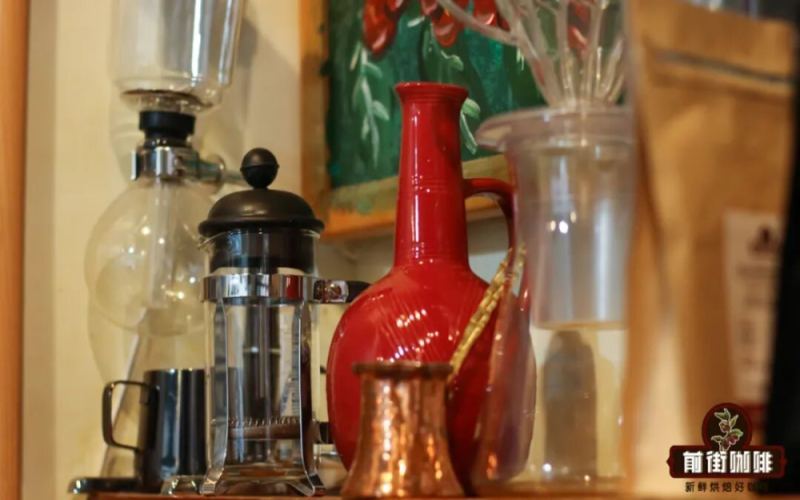
Why Is Pour-Over Coffee the Top Choice for Specialty Coffee Shops? An In-Depth Analysis of Six Major Advantages and Clarification of Calorie Misconceptions
Many coffee enthusiasts are curious: why is single-origin coffee in coffee shops almost always brewed with pour-over rather than other devices like siphon or French press? Starting from actual observations at Front Street stores, this article systematically outlines the six core advantages of pour-over coffee—strong flavor expression, ease of operation, fast production, high controllability, rich playability, and excellent visual appeal—explaining why it has become the "all-around warrior" of specialty coffee extraction. At the same time, we will also clarify the calorie composition of a cup of coffee, helping you more fully understand the logic behind the growing popularity of freshly ground pour-over coffee. [more…]
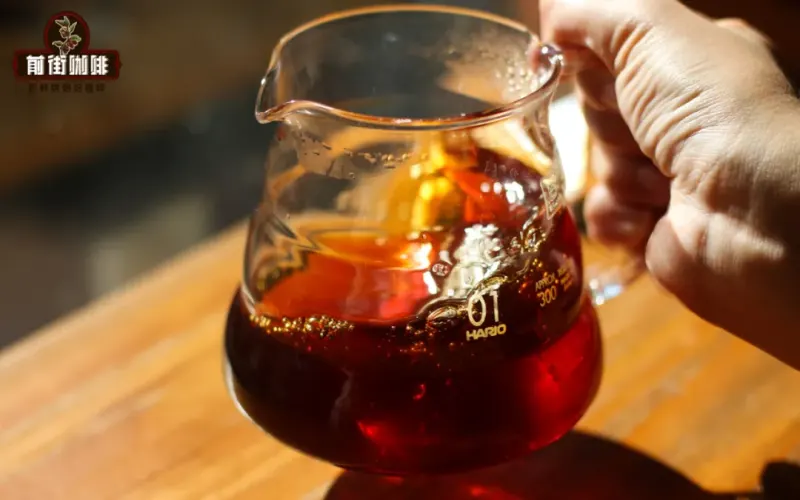
Single-Origin vs. Blended Beans: What Really Sets Specialty Coffee Apart from Commercial Coffee, and Why Pour-Over Costs More Than Espresso
When ordering at a café, many people wonder: why does a pour-over always cost noticeably more than an espresso, even though both are just a cup of coffee? Behind this lies a difference on three levels: coffee bean grade, sourcing cost, and labor time. This article, from the perspective of Front Street, sorts out the essential differences between single-origin beans and blend beans, analyzes the positioning divide between specialty coffee and commercial coffee, and explains one by one the key factors affecting the pricing of pour-over and espresso. Whether you are a coffee enthusiast just starting out or a veteran who relies on espresso every day, you can find the answer here. [more…]
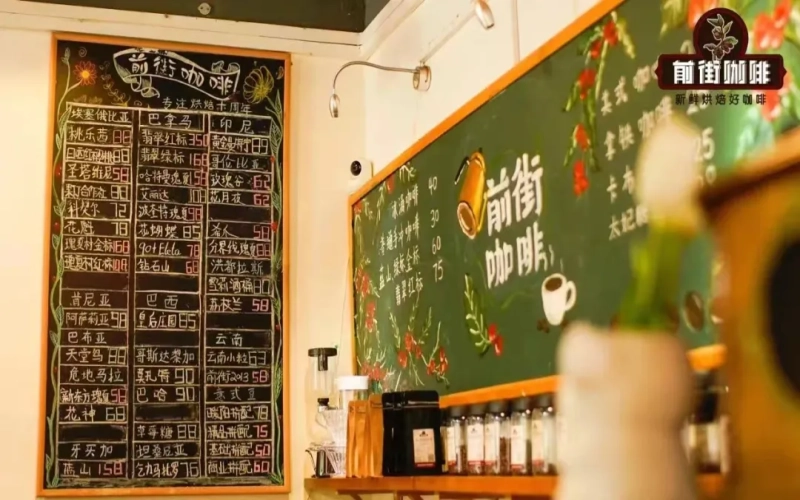
Does specialty mixed coffee really count as coffee? One article clarifies the essential differences between specialty mixed coffee and pour-over coffee.
In recent years, specialty coffee drinks have become a hot topic in the coffee world, but how exactly should they be defined? Compared with pour-over specialty coffee, which emphasizes flavor, specialty coffee drinks place more emphasis on the maker's creativity and personal interpretation, using coffee as the base and blending in diverse ingredients such as alcohol, fruit, floral tea, and sparkling water to create unexpected flavors. The barrier to entry is low and the audience is broad, yet it has also sparked controversy because "the coffee flavor is weakened" — can a specialty drink with no coffee taste still be called coffee? This article will begin from Front Street's perspective and sort out the conceptual origins of specialty coffee drinks, their differences from pour-over coffee, and why they have become a showcase of imagination in today's coffee shops. [more…]
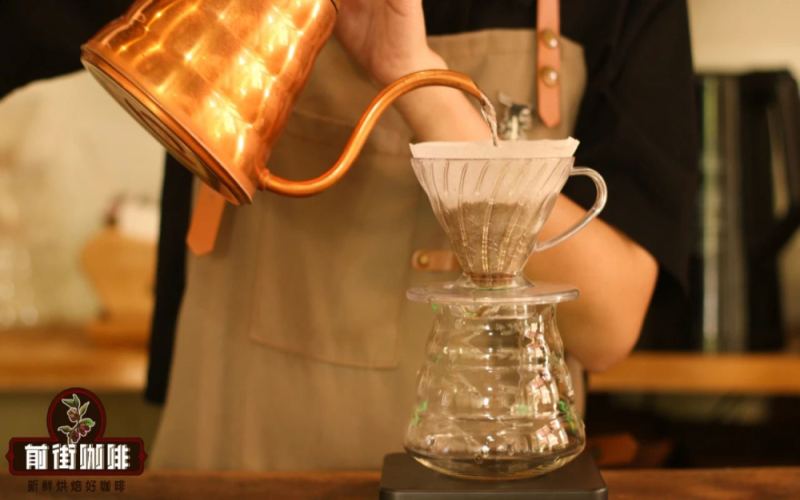
How to Make Pour-Over Coffee for Two | How Should the Coffee-to-Water Ratio for Pour-Over Coffee Be Allocated? What Coffee Strength Does the SCAA (Specialty Coffee Association of America) Recommend?
With the development of the specialty coffee market, single-origin coffee is increasingly recognized by the public, so many coffee enthusiasts are teaching themselves how to brew pour-over coffee at home. As a result, coffee-loving friends often ask, when buying coffee beans at Front Street Coffee, how the coffee-to-water ratio for pour-over coffee should be determined. So in this next article, Front Street [more…]
From Zero to Pour-Over: A Beginner's Guide to Choosing Specialty Coffee Beans and Brewing Practice
Just getting into pour-over coffee, facing a dazzling array of coffee beans and equipment, you often don't know where to start. This article begins with the definition of specialty coffee, first helping beginners sort out the five basic pieces of equipment needed to get started, then going through the three major producing regions of Africa, the Americas, and Asia, introducing one by one the high-value beans suitable for a first pour-over, including Front Street washed Yirgacheffe, Huilan, Cerrado, Tarrazú, Yunnan small bean, and Mandheling, along with a complete three-stage brewing method, so that beginners can avoid detours and easily brew out the flavors of the origin. [more…]
2026 Best-Selling Specialty Arabica Coffee Beans Ranking: Ten High-Value Pour-Over Beans Tested and Recommended
Faced with the dazzling array of coffee beans on the market, consumers often find it hard to judge which one truly suits their taste based on评分表 alone. Rather than repeated trial and error wasting your budget, it's better to refer to a market-tested list of popular options. This article compiles the 2026 hot-selling list of specialty Arabica coffee beans, covering ten beans with distinctive characteristics, from Ethiopia's Huakui and Yirgacheffe, to Indonesia's Mandheling, Colombia's Huila, and Yunnan small-batch and classic Italian blends, each one annotated with roast level, flavor description, and suitable brewing methods. Whether you prefer bright fruity acidity or full-bodied sweet aftertaste, you can find a cost-effective choice suitable for pour-over, cold brew, or espresso in this list. [more…]
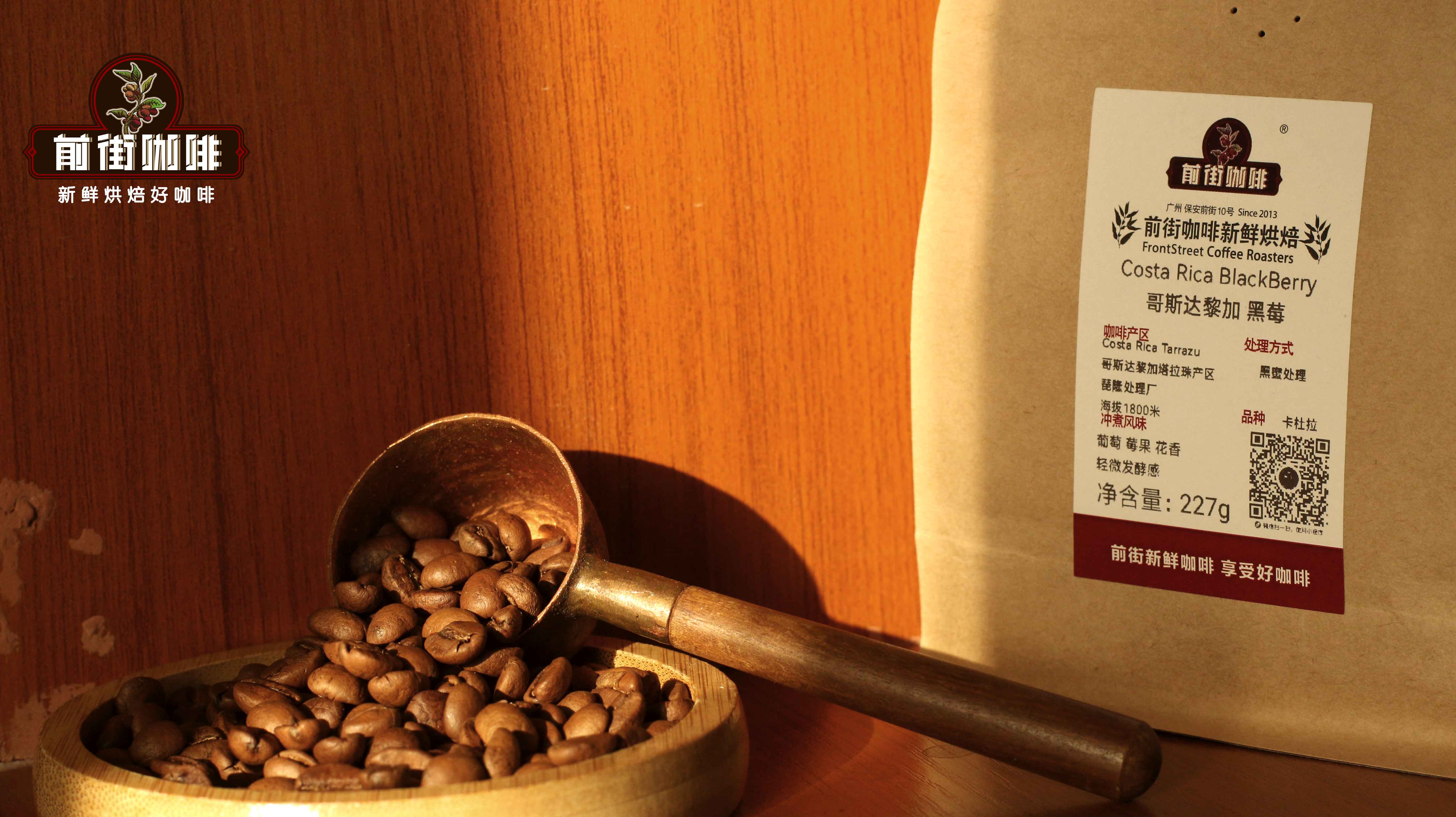
Commercial Pour-Over Coffee Beans | What's the Difference Between Single-Origin Pour-Over Beans and Espresso-Specific Coffee Beans? Recommendations for Beginner-Friendly Specialty Pour-Over Coffee Beans and Home Espresso Beans
The world of specialty coffee is fascinating, and each country's coffee has its own character. Depending on the region, variety, processing method, and intended use, it can display completely different styles and tones. Whether you want to open a café or brew at home, you can't skip the first step: buying coffee beans. For home coffee [more…]
Top 10 Pour-Over Beans Ranking | How Do Beginners Choose Beans for Pour-Over? Specialty Single-Origin Pour-Over Coffee Beans That Seasoned Coffee Lovers Buy Again and Again
More and more people are beginning to discover coffee, fall in love with it, and even make it themselves. Specialty coffee is no longer seen merely as a commodity, but as an experience—as a craft or artisanal product. So-called specialty coffee is, in fact, grown under specific climatic and [more…]
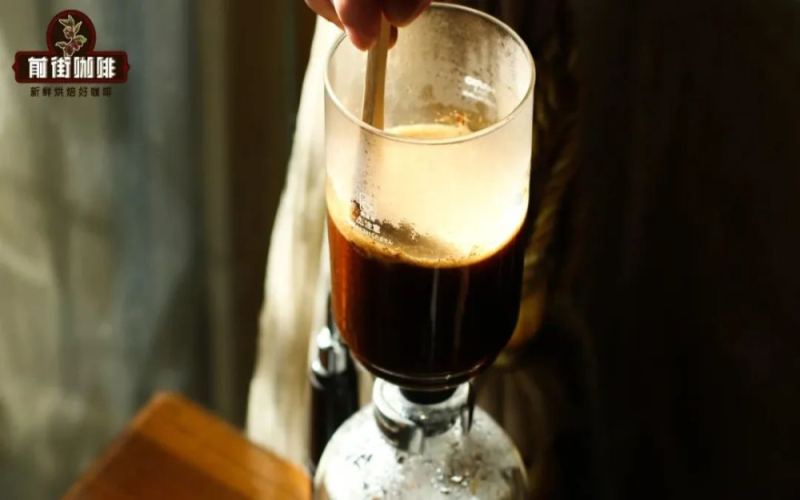
Why is siphon coffee gradually being replaced by pour-over? And which is the most well-known siphon brand in Japan?
The siphon pot, once a staple of specialty coffee shops, now seems to be quietly fading into the background. This brewing device, with its distinctly laboratory-like air, predates pour-over coffee by nearly a hundred years, and it was in Japan that it truly flourished, giving rise to a unique Japanese siphon aesthetic. Yet, in an era where fruity acidity has become mainstream and efficiency is paramount, why has the siphon pot lost out to pour-over? And who is Japan's most renowned siphon pot brand? This article will take you through the origins and popularity of the siphon pot, analyze the core reasons it was replaced by pour-over, and preserve Front Street's observations and recommendations regarding this classic device. [more…]
Pour-Over Single-Origin Coffee Tasting | Which Specialty Arabica Coffees Are Good for Pour-Over? 8 Must-Buy, Affordable, High-Quality Single-Origin Pour-Over Coffee Beans for Beginners
With the rise of third-wave specialty coffee culture in recent years, more and more people have fallen in love with "single-origin coffee." So-called "single-origin coffee" refers to coffee beans from a single growing region, and it usually also means higher-quality coffee; in roasting, adjustments are made to suit the characteristics of the origin and variety, so as to present the coffee in its purest form. [more…]
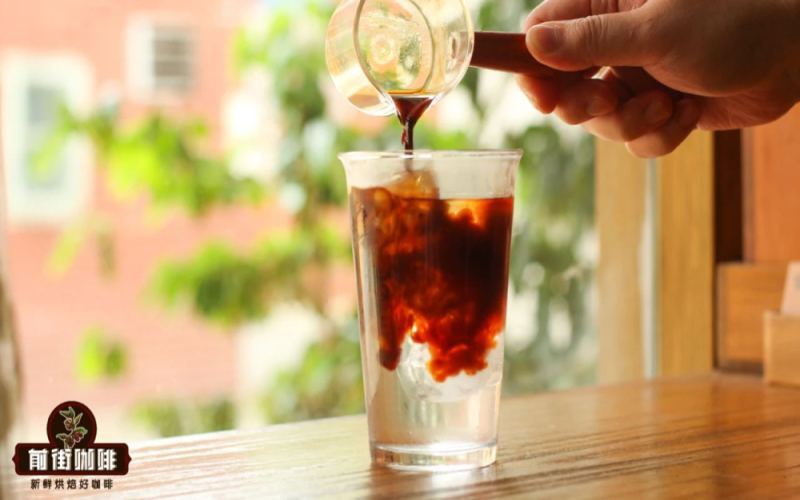
Flavor Comparison of Pour-Over vs. Iced Americano: Espresso Extraction Principles and a Guide to Choosing Italian-Style Beans
In today's era where specialty coffee prevails, espresso remains an indispensable offering in every café. Americano and pour-over both belong to the category of black coffee, yet their vastly different extraction methods deliver completely distinct taste experiences. This article starts from Front Street Coffee's brewing tutorial, first clarifying the concepts of espresso, Americano, pour-over, and black coffee, then delving into the sources of bitterness in Americano, followed by a flavor comparison using Costa Rica Mozart beans prepared as both pour-over and SOE Americano. In addition, the article systematically outlines the characteristics and suitable applications of four types of espresso beans—SOE, specialty blend, Warm Sun blend, and commercial blend—providing practical bean selection reference for coffee enthusiasts and industry professionals. [more…]
Flavor Analysis of the World's Top Ten Specialty Coffee Producing Countries: A Guide to Buying Pour-Over Coffee Beans
For friends who are just beginning to explore black coffee, understanding the flavor characteristics of coffee beans from different origins is the first step into the world of pour-over. This article sorts through the representative bean varieties from the world's famous coffee-producing countries—Ethiopia, Indonesia, China's Yunnan, Costa Rica, Colombia, Guatemala, Brazil, and more—covering classic regions such as Yirgacheffe, Mandheling, Yunnan small-batch, Tarrazú, Huila, Huehuetenango, and Cerrado, along with detailed parameters and brewing flavor descriptions for the Front Street Coffee everyday beans series. It also explains the difference between pour-over coffee and American drip machines, as well as how pouring method, water flow rate, and circling speed affect the final flavor—ideal for coffee lovers who want a systematic understanding of specialty coffee fundamentals. [more…]
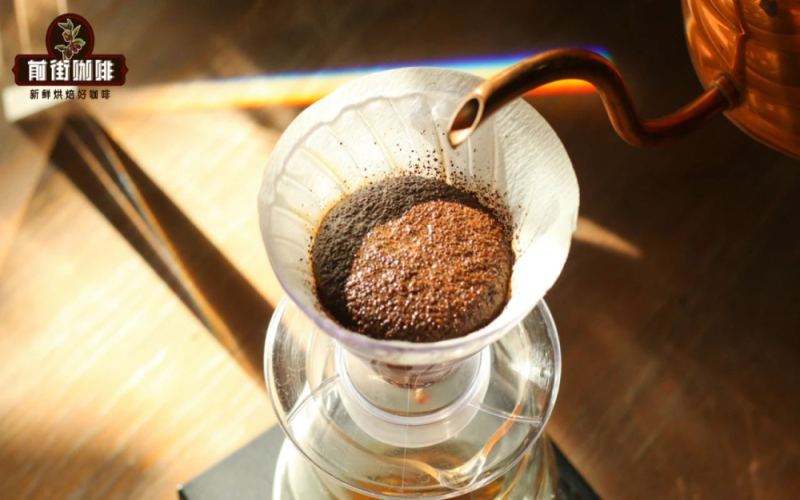
Why are Italians indifferent to freshly ground pour-over coffee? Looking at Italian coffee culture through the evolution of espresso machines
Pour-over coffee has continued to gain popularity worldwide in recent years, yet it has never become mainstream in Italy. This seemingly contradictory phenomenon is in fact closely tied to Italy's centuries-old coffee tradition, its distinctive espresso drinking habits, and its fast-paced lifestyle. From the first introduction of coffee beans at the port of Venice in the 16th century, to the birth of the steam coffee machine in the 19th century, and then to the maturation of 9-bar pressure extraction technology in the 20th century, Italians had long regarded espresso as a daily staple. By comparison, pour-over coffee differs markedly from Italians' consumer perceptions in terms of roast level, strength, price, and preparation time. This article will trace the evolution of Italian coffee culture, analyze the multiple reasons why pour-over coffee has struggled locally, and explore the slowly spreading trend of specialty coffee in Italy. [more…]
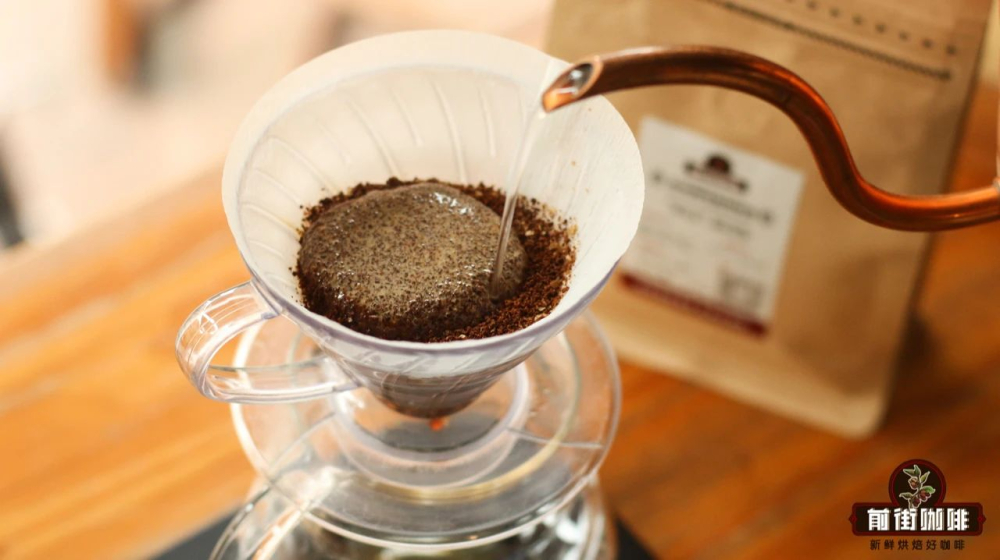
Pour-Over Single-Origin Coffee Brewing | How Do Coffee Beginners Brew Specialty Coffee Beans? What Are the Steps to Make Pour-Over Black Coffee? What Factors Affect Coffee Flavor?
With the rapid development of the specialty coffee market, more and more people are beginning to explore pour-over coffee. Many beginners feel completely lost when it comes to making pour-over coffee—the dazzling array of brewing equipment, coffee brewing techniques, and so on make many people feel it's a hassle. Quite a few friends have also come to Front Street Coffee asking how to get started with pour-over coffee, how to brew [more…]
Terroir and Pour-Over Guide to Arabica Coffee Beans: Specialty Choices from Indonesia to Yunnan
Arabica, the mainstay of global coffee, has stringent requirements for its growing environment, typically needing to be cultivated at high altitudes of 800 to 2,200 meters without frost. The temperature difference between day and night brought by higher altitudes slows down the ripening of the fruit, which is conducive to the accumulation of flavor compounds, making the aroma more solid. The unique microclimates of different producing regions also inject diverse personalities into Arabica, forming distinctive regional flavors. For beginners new to specialty coffee, starting with representative coffees from well-known origins and tasting them via pour-over is an effective path to experiencing coffee's original flavors and regional differences. This article will introduce characteristic coffee beans from producing regions such as Indonesia, Ethiopia, Yunnan in China, and Colombia, along with recommended products from the Front Street brand and suitable brewing methods, to help readers build a preliminary understanding of coffee flavors. [more…]
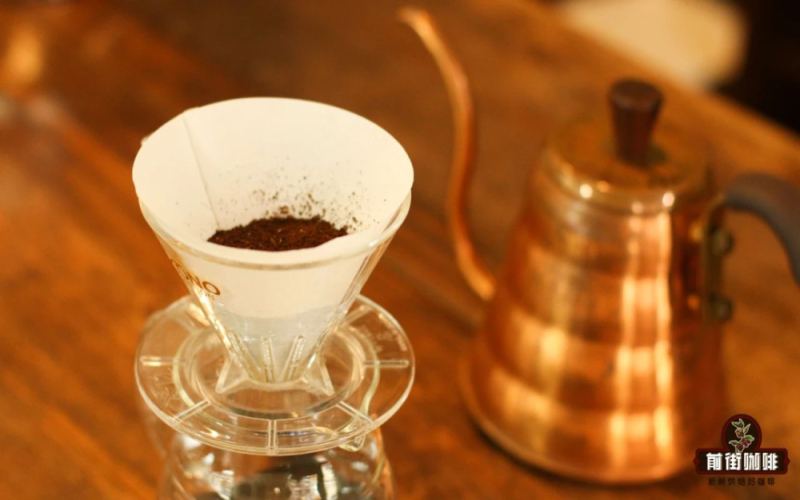
Pour-Over Coffee Beginner's Guide: From Equipment Preparation to Three-Pour Technique, a Detailed Explanation of the Core Points of Japanese-Style Drip Brewing
Pour-over coffee is the most representative brewing method of the third wave of specialty coffee. It uses a dripper paired with a paper filter to filter out the coffee grounds, clearly presenting the flavors of the coffee's region of origin, while the entire brewing process is also quite visually appealing. This article will provide a systematic introduction to pour-over coffee: first, it will outline its historical origins and the cultural differences behind its various English names, then explain one by one the various pieces of equipment needed for brewing and their functions, and finally, using 15 grams of coffee and a 1:15 coffee-to-water ratio as an example, it will break down in detail the complete process of three-stage pouring, helping coffee enthusiasts master the key parameters for consistently producing a delicious cup of pour-over coffee. [more…]